
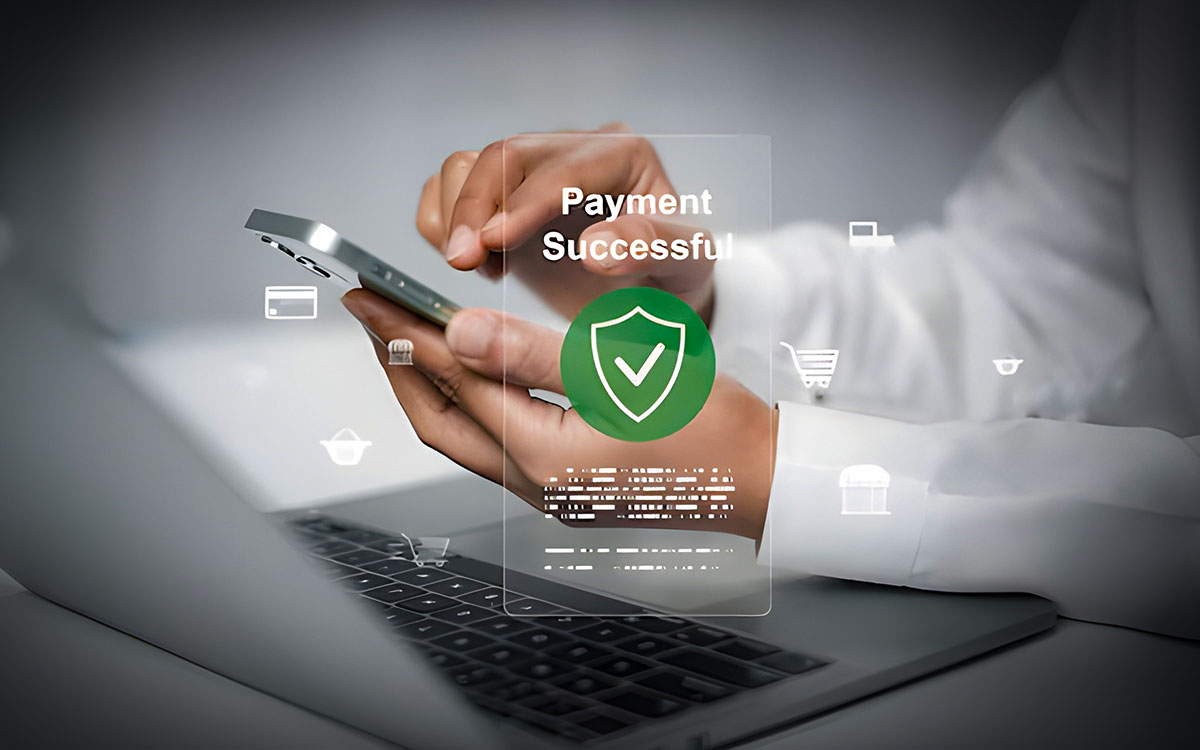
Online shopping has made life easier, but it also requires buyers to be careful when making payments. Understanding safe online payments is essential for protecting your money, personal information, and peace of mind. Beginners often feel unsure about which payment methods are secure and how to avoid fraud.
This guide explains how online payments work, the safest ways to pay, and the common risks you should know about before completing a transaction.
Why Safe Online Payments Matter
Every online transaction involves sharing sensitive information. Without proper security, this data can be misused by scammers or hackers.
Safe online payments help protect your bank details, prevent unauthorized charges, and ensure you can recover funds if something goes wrong. Trusted platforms invest heavily in security to protect buyers.
Common Online Payment Methods Explained
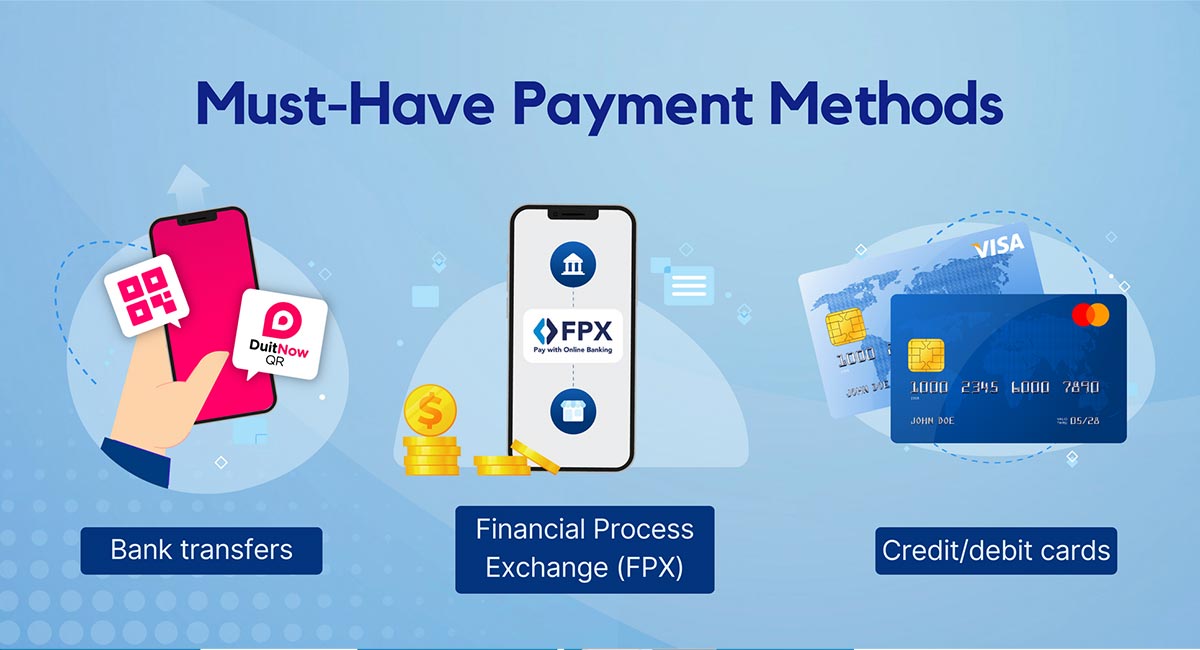
Online payments can be made through credit cards, debit cards, digital wallets, bank transfers, and payment gateways.
Credit cards are widely used because they offer fraud protection and chargeback options. Digital wallets add another layer of security by hiding card details from sellers.
Choosing the right payment method is the first step toward safer transactions.
How Secure Payment Gateways Work
Secure payment gateways encrypt your information before it reaches the seller. This prevents unauthorized access during transactions.
Trusted gateways comply with international security standards and monitor transactions for suspicious activity. Buyers should always confirm that payments are processed through secure systems.
Secure gateways act as a shield between you and potential threats.
Recognizing Secure Websites Before Paying
A secure website protects your data during checkout. Look for HTTPS in the address bar and a lock icon before entering payment details.
Avoid making payments on websites that look unprofessional, lack contact details, or redirect you unexpectedly. Secure platforms clearly display payment security information.
Website security is a strong indicator of payment safety.
Avoiding Common Online Payment Scams
Scammers often use fake websites, phishing emails, or urgent messages to trick users. These scams may ask for direct payments or personal information.
Never share one-time passwords, card numbers, or verification codes with anyone. Trusted sellers will never request this information outside secure checkout pages.
Awareness is your strongest defense against fraud.
Benefits of Using Buyer Protection Services
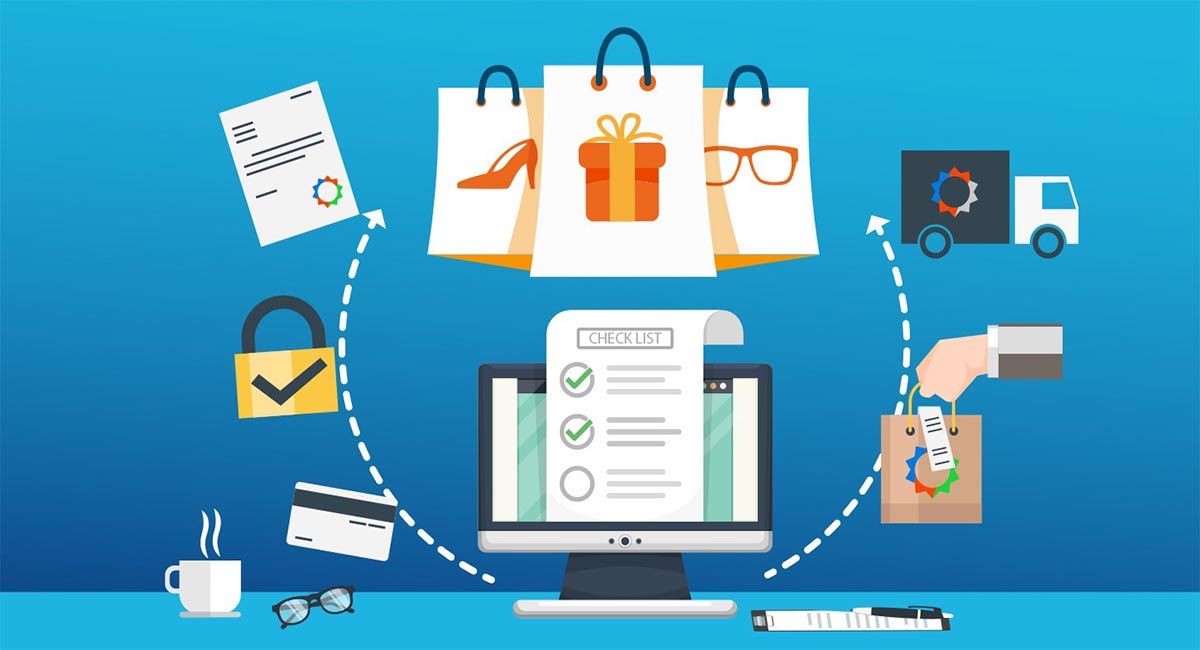
Many marketplaces offer buyer protection programs. These services ensure refunds if items are not delivered or do not match descriptions.
Buyer protection adds confidence, especially for international purchases. It acts as a safety net when dealing with unfamiliar sellers.
Always check if buyer protection is included before paying.
Why Digital Wallets Are Considered Safer
Digital wallets reduce exposure by not sharing card details directly with sellers. Payments are authorized through secure systems instead.
They also provide additional authentication layers, such as biometric verification. This makes unauthorized access more difficult.
Digital wallets are ideal for frequent online shoppers.
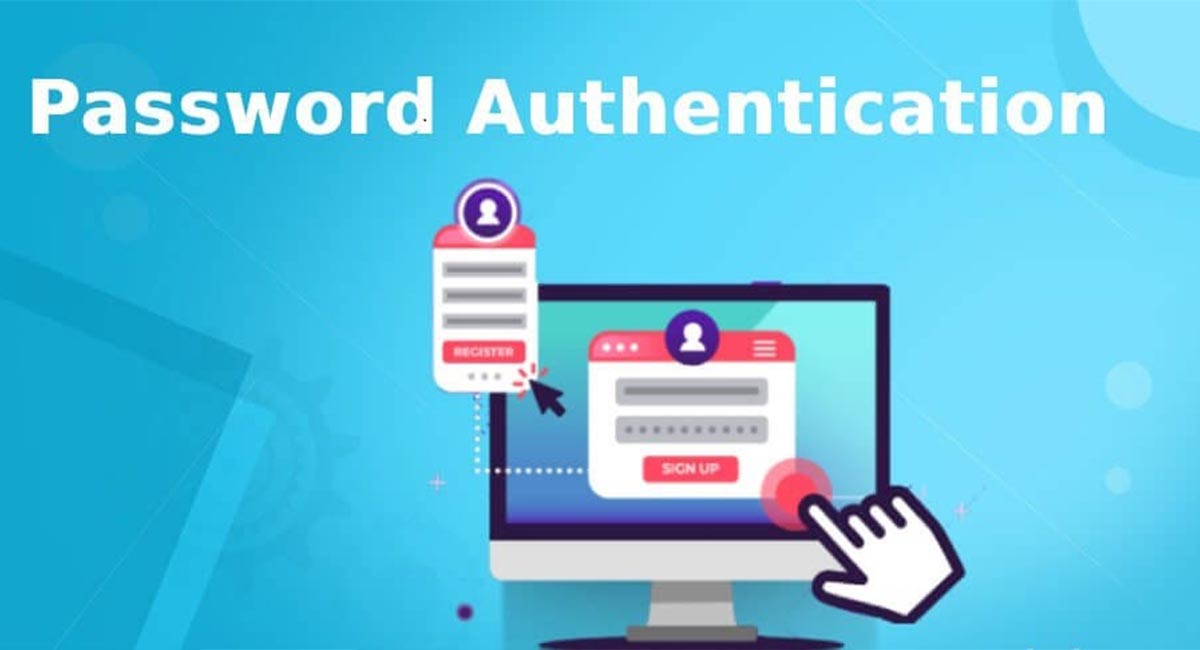
Importance of Strong Passwords and Authentication
Payment security extends beyond checkout. Weak passwords increase the risk of account compromise.
Using strong passwords and enabling two-factor authentication protects your payment accounts. These simple steps significantly reduce risk.
Account security supports safe online payments.
How Marketplaces Like Riayath Ensure Payment Safety
Trusted marketplaces implement secure gateways, encryption, and fraud detection systems. Riayath prioritizes secure online payments by working with verified payment providers.
Clear policies and transparent processes help buyers shop with confidence. Secure platforms reduce risks for both buyers and sellers.
Trustworthy marketplaces make safe payments easier.
Best Practices for Beginners
Beginners should start with small purchases and use familiar payment methods. Avoid saving card details on unknown websites.
Always review transaction confirmations and bank statements. Monitoring activity helps catch issues early.
Safe habits lead to safer shopping experiences.
FAQs ( Frequently Asked Questions)
Safe online payments use secure gateways, encryption, and verified methods to protect user information. They reduce the risk of fraud and unauthorized access.
Credit cards and digital wallets are considered safest due to fraud protection and dispute options. They provide better recovery if issues arise.
Look for HTTPS, a lock icon, and trusted payment logos. Avoid entering details on unfamiliar or suspicious websites.
Contact your bank or payment provider immediately. Most providers offer protection and investigation services.



 No products in the cart.