
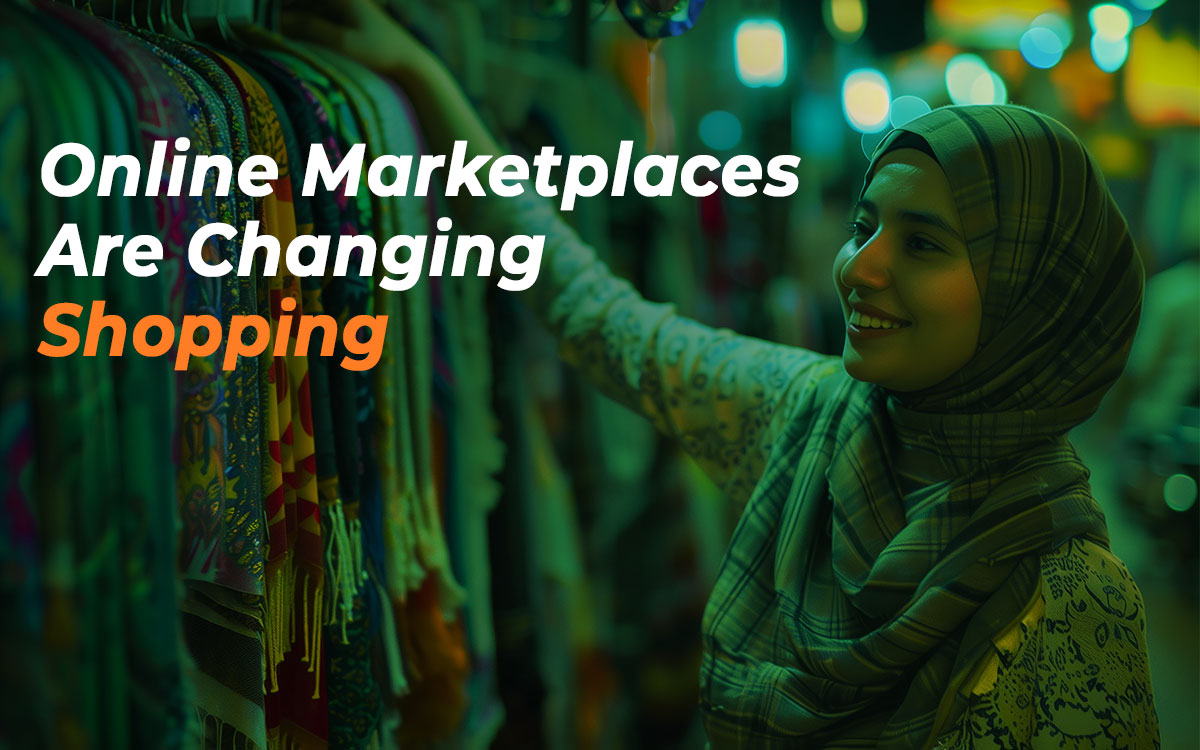
The way people shop in Pakistan has changed faster in the last few years than it did in the previous decade. From traditional bazaars and malls to mobile shopping, Pakistan is entering a new digital era – and online marketplaces are leading this change.
For many buyers, shopping online is now convenient, safer, and simply smarter. For sellers, it has opened a world of opportunity that never existed before. And platforms like Riayath Marketplace are making this transformation possible by connecting trusted sellers with real buyers in a secure, transparent way.
In this article, we’ll explore how online marketplaces are changing shopping habits in Pakistan, what benefits they bring, how trust is built, and why this shift is important for Pakistan’s digital future.
Many shoppers make avoidable mistakes that impact their experience. These mistakes are often caused by rushing purchases, overlooking important details, or trusting unreliable sources. Understanding these common errors can help buyers shop smarter, safer, and more confidently.
This guide explores the most frequent mistakes people make when shopping online and explains how to avoid them.
What Exactly Is an Online Marketplace?
More Variety and Better Choices for Customers
One of the biggest advantages online marketplaces have brought to Pakistan is variety.
In physical markets, we are limited to whatever shops are available in our city. But online platforms give Pakistanis access to thousands of local and international brands.
A customer in Quetta can:
Order clothes from Lahore
Buy electronics from Karachi
Purchase beauty products from Islamabad
Even get imported items delivered
This kind of freedom was never possible before. Customers can now compare prices between sellers, check product reviews, and choose what suits their needs best. This competition has also forced sellers to improve quality and pricing.
Affordable Prices and Better Deals
In Pakistan, price matters a lot. Online marketplaces have completely changed the pricing game.
Many sellers operate online without expensive shop rents and staff costs. This allows them to sell products at cheaper rates than physical stores. Platforms also offer:
Special sales events
Discount vouchers
Flash deals
Bundle offers
Events like 11.11 Sale, Black Friday, New Year Sales, and Ramadan Sales attract millions of Pakistani buyers every year. These deals were never possible in traditional markets.
Online shopping has helped Pakistani customers save money while still getting quality products.
Cash on Delivery Built Trust
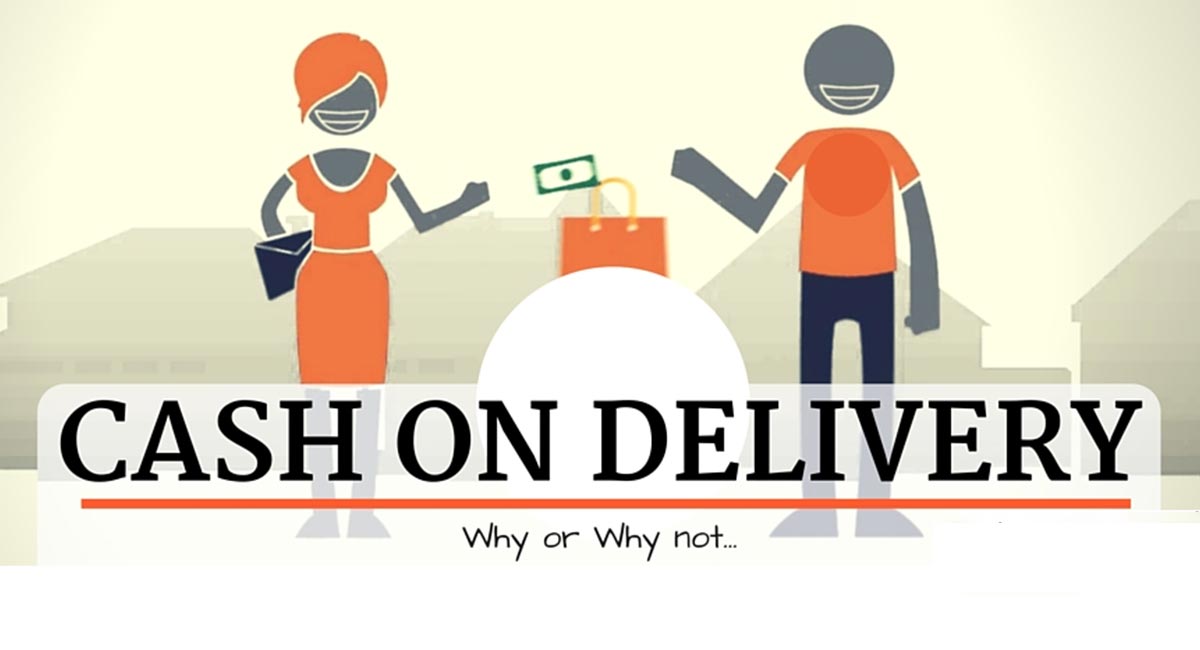
One major reason online shopping grew in Pakistan is Cash on Delivery (COD).
Many Pakistanis do not feel comfortable paying online due to fraud risks or lack of trust. Online marketplaces in Pakistan understood this and introduced COD so people only pay when the product reaches their doorstep.
This completely changed the game.
Now customers do not fear losing their money. They know they will only pay after seeing the product. Once trust increased, people slowly started trying digital payments too.
Growth of Digital Payments
Earlier, only COD was popular. But now Pakistanis are slowly accepting digital payments. Services like JazzCash, Easypaisa, bank transfers, and debit cards have made it easier.
Digital payments are:
Secure
Fast
Convenient
They also support Pakistan’s digital economy. Government initiatives and fintech platforms are helping Pakistan move toward a cashless future.
New Business Opportunities for Pakistanis
Online marketplaces are not only good for buyers; they are life-changing for sellers too.
Small business owners, home-based women entrepreneurs, shopkeepers, and new startups are now selling online and reaching customers across Pakistan without opening expensive physical shops.
Anyone can start selling with:
A smartphone
Internet access
Basic products
This has created thousands of jobs and increased income opportunities nationwide. Students, housewives, and young entrepreneurs are running successful online stores today. Pakistan’s eCommerce industry is becoming a powerful business sector.
Helping Women Enter Business
In Pakistan, many women cannot work outside due to cultural or family restrictions. Online marketplaces have given them a way to earn from home.
Women are successfully selling:
Clothing
Handmade crafts
Beauty products
Food items
Accessories
Online platforms have empowered women financially and socially. This is a massive positive change for Pakistan.
Faster Delivery and Better Logistics
Earlier, delivery systems were slow and unreliable in Pakistan. But now courier companies and logistics networks have become much stronger.
Delivery is now faster
Tracking is available
Customer support exists
Return and refund policies are clearer
This improvement has increased people’s confidence in online shopping. Even remote areas now receive deliveries.
Challenges Still Exist
Even though online shopping has grown massively, Pakistan still faces some challenges.
Fake sellers
Low-quality products
Delivery delays at times
Weak internet in remote areas
Digital illiteracy
However, trusted marketplaces are working hard on verification systems, better seller policies, improved customer protection, and faster logistics. Slowly but surely, the experience is improving.
The Future of Online Shopping in Pakistan
The future looks incredibly bright.
More Pakistanis are shifting to online shopping every year. Marketplaces are investing in technology, better user experience, AI-based recommendations, faster delivery systems, and secure payment methods.
Soon we will see:
Same-day delivery
More local brands online
More international brands in Pakistan
Stronger buyer protection
Pakistan’s eCommerce revolution has already begun — and it will only grow stronger.
FAQs ( Frequently Asked Questions)
Yes, online shopping is generally safe in Pakistan if you use trusted platforms. Always buy from verified sellers, check customer reviews and ratings, look for return or refund policies, and prefer marketplaces that offer buyer protection and secure payment options. This helps you avoid scams and ensures a better shopping experience.
Cash on Delivery (COD) is preferred because it builds trust. Customers feel secure knowing they only pay after receiving the product and confirming its quality. It also helps people who do not have debit/credit cards or don’t feel comfortable making online payments.
Yes, absolutely. Online shopping is available across Pakistan, including cities like Quetta, Multan, Peshawar, Sukkur, Faisalabad, Hyderabad, and many other areas. Most major ecommerce platforms deliver nationwide, making it easy for people in smaller cities to access products that may not be available locally.
Yes, online business is highly profitable in Pakistan. Thousands of sellers successfully run online stores through marketplaces, social media, and their own websites. With the growing number of online shoppers, low setup costs, and increasing digital awareness, many entrepreneurs are earning a good income from ecommerce.



 No products in the cart.