
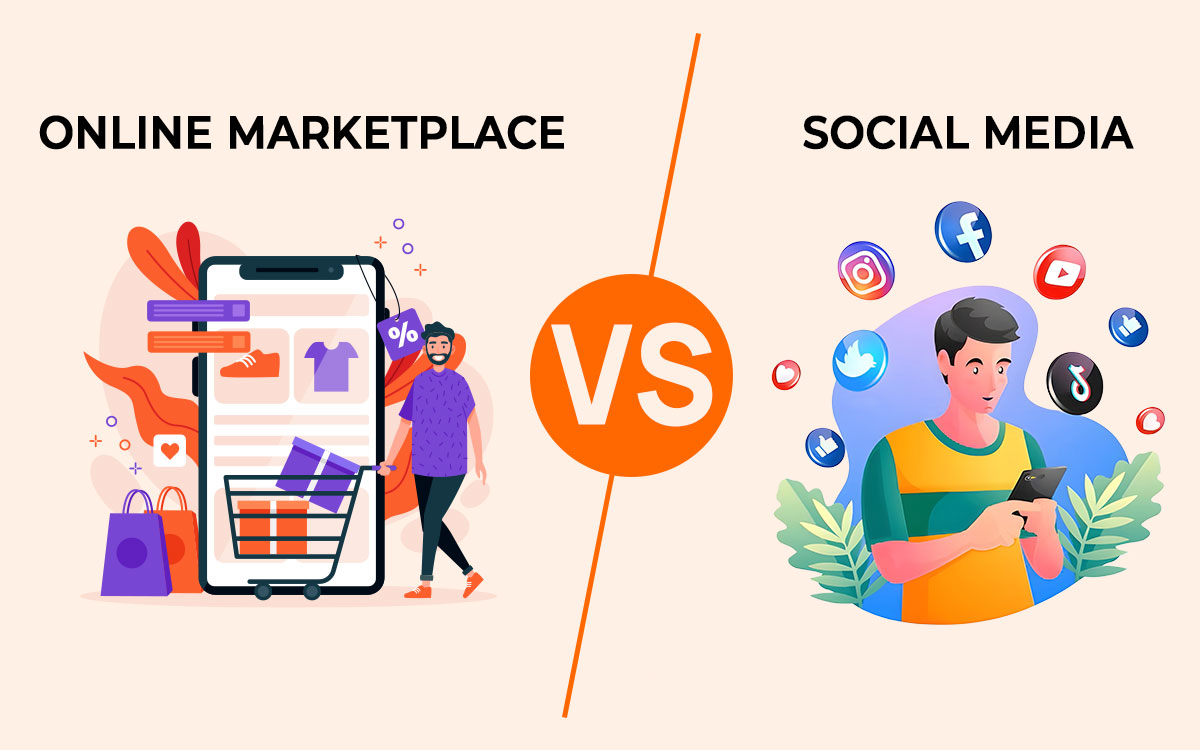
Selling online has become easier than ever, but choosing the right platform can make a huge difference in success. Two popular options today are selling through an online marketplace or using social media platforms like Instagram, Facebook, or WhatsApp. While both have advantages, they serve different business goals.
Understanding the key differences helps sellers choose the best path for growth and stability.
Trust and Buyer Confidence
Online marketplaces naturally build trust. Customers feel safer purchasing from platforms that offer verified sellers, secure payments, and buyer protection. Marketplaces like Riayath create a professional shopping environment that encourages confident buying.
Social media selling often relies on personal trust. New customers may hesitate because there is no built-in protection or verification, making trust harder to establish.

Payment Security
Marketplaces provide integrated, secure payment systems that protect both buyers and sellers. Payments are tracked, recorded, and processed professionally.
On social media, payments are usually handled manually through bank transfers or cash on delivery. This increases the risk of fraud, delayed payments, or order disputes.
Scalability and Growth
Online marketplaces are designed for growth. Sellers can manage hundreds of products, track performance, and reach customers nationwide or internationally.
Social media selling works well for small-scale or personal businesses, but managing large volumes of orders, messages, and inventory can quickly become overwhelming.

Marketing and Visibility
Marketplaces offer built-in visibility through search results, categories, and promotions. Products can be discovered by customers actively looking to buy.
Social media relies heavily on posting, engagement, and paid ads. Visibility depends on algorithms, which can change at any time, affecting reach and sales.
Customer Experience
Marketplaces provide a smooth shopping experience with clear product pages, reviews, order tracking, and return policies.
Social media selling often involves long conversations in messages, unclear product details, and manual order processing, which can frustrate customers.
Cost and Effort
Social media selling may seem cheaper initially, but it requires constant content creation, messaging, and follow-ups.
Marketplaces may charge a small commission, but they reduce workload by handling payments, order flow, and customer trust—saving time and effort in the long run.

Data and Analytics
Marketplaces provide sellers with insights such as product views, conversion rates, and sales performance.
Social media offers limited direct sales data, making it harder to analyze buying behavior and optimize pricing or listings.
Final Thoughts
Both online marketplaces and social media selling have their place. Social media is excellent for promotion and customer engagement, while marketplaces offer stability, trust, and scalability. For sellers aiming for long-term growth, professional credibility, and consistent sales, selling through an online marketplace like Riayath provides a stronger foundation—especially in competitive markets like Pakistan and Switzerland.
FAQs ( Frequently Asked Questions)
Online marketplaces like Amazon or eBay provide ready-made platforms, secure payments, and logistics support, while social media selling relies on direct engagement with followers. Marketplaces offer trust and discoverability, whereas social media allows personal branding and direct customer interaction.
For new sellers, online marketplaces are often easier to start with due to built-in traffic and seller protections. Social media selling can complement marketplaces, helping build a loyal community and personal brand, but may require more effort to drive traffic and manage sales manually.
Marketplaces typically charge listing fees, commissions, or subscription costs. Social media selling is usually free to start, but paid promotions are often needed to reach a wider audience. Sellers need to balance cost efficiency with visibility and sales potential.
Yes, combining online marketplaces and social media can maximize reach and sales. Marketplaces handle the logistics and credibility, while social media engages customers directly, promotes products, and builds brand loyalty. Using both strategically often leads to better results.



 No products in the cart.