
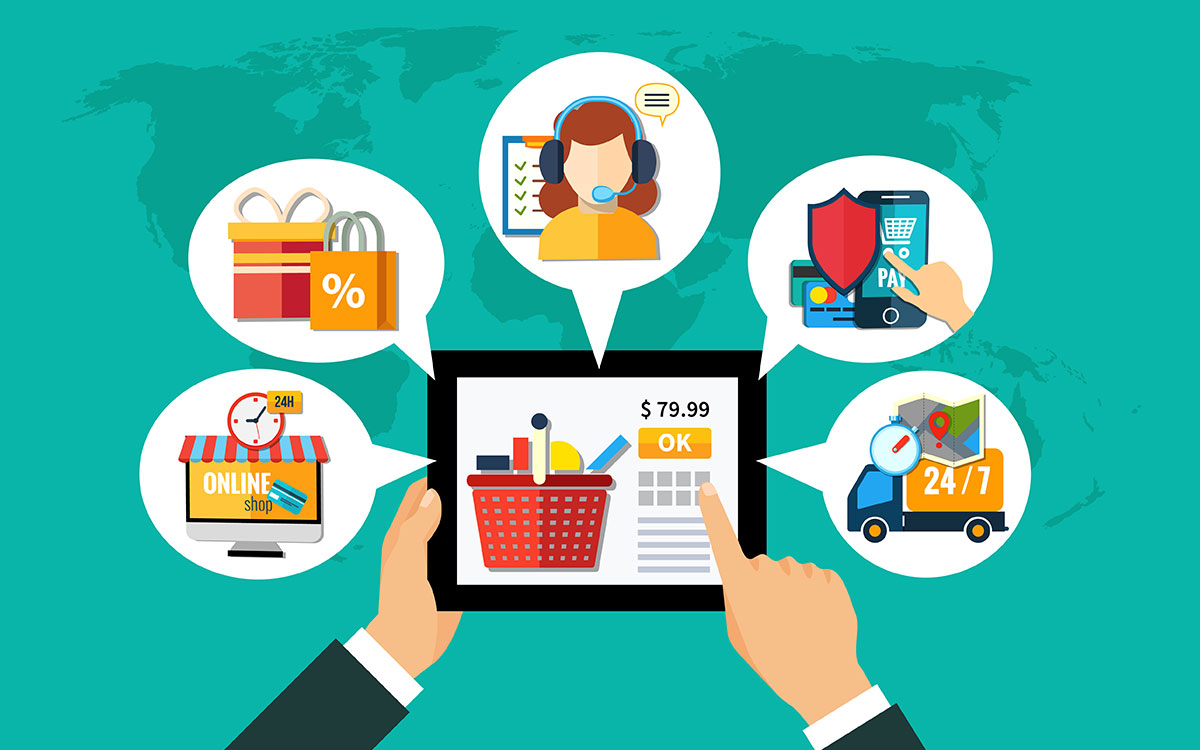
Online marketplaces connect buyers with thousands of sellers worldwide. While this offers choice and convenience, it also means buyers must be cautious. Knowing how to identify trusted sellers on online marketplaces is essential for avoiding scams, poor-quality products, and frustrating shopping experiences.
Trusted sellers follow transparent practices, maintain consistent performance, and prioritize customer satisfaction. Recognizing the signs of reliability helps shoppers make confident decisions and protect their money.
This guide explains the most effective ways to identify trustworthy sellers before making a purchase.
Check Seller Ratings and Reviews Carefully
Seller ratings provide an overview of past customer experiences. High ratings usually indicate consistent performance, but it’s important to read individual reviews as well.
Look for detailed feedback that mentions delivery speed, product accuracy, and customer service. Be cautious of sellers with many generic reviews or sudden spikes in ratings, as these can be misleading.
Balanced reviews with both positives and minor negatives often signal authenticity.
Review Seller History and Experience
Seller history reveals how long a seller has been active on the marketplace. Established sellers with a long track record are generally more reliable than new accounts.
Check how many orders the seller has completed and whether they specialize in specific product categories. Consistency and experience indicate professionalism and accountability.
New sellers are not always risky, but extra caution is recommended.
Verify Product Listings and Descriptions
Trusted sellers provide clear, accurate, and detailed product descriptions. High-quality images, specifications, and transparent pricing show professionalism.
Avoid sellers who use copied images, vague descriptions, or incomplete details. These are common signs of unreliable sellers or counterfeit products.
Honest listings reflect seller credibility.
Understand Return, Refund, and Warranty Policies
Reliable sellers clearly explain return, refund, and warranty terms. These policies protect buyers if something goes wrong.
Check the time limits, conditions, and refund methods before purchasing. Sellers who avoid discussing policies or provide unclear information should be approached cautiously.
Clear policies build trust and confidence.
Assess Communication and Responsiveness
Communication quality matters. Trusted sellers respond promptly and professionally to customer questions.
Before purchasing, try asking a question about the product or shipping. A helpful response indicates commitment to customer service.
Poor or delayed communication is often a warning sign.
Look for Verified or Authorized Seller Badges
Many marketplaces offer verification badges for trusted sellers. These badges indicate that the seller has met platform standards.
While verification alone does not guarantee perfection, it adds an extra layer of credibility. Combine this with reviews and history for better judgment.
Verification simplifies trust-building.
Check Pricing Consistency
Extremely low prices compared to the market often indicate counterfeit or misleading products. Trusted sellers maintain reasonable pricing aligned with product value.
Compare prices across multiple sellers to identify realistic ranges. Transparency in pricing reflects honesty.
Fair pricing protects buyers from disappointment.
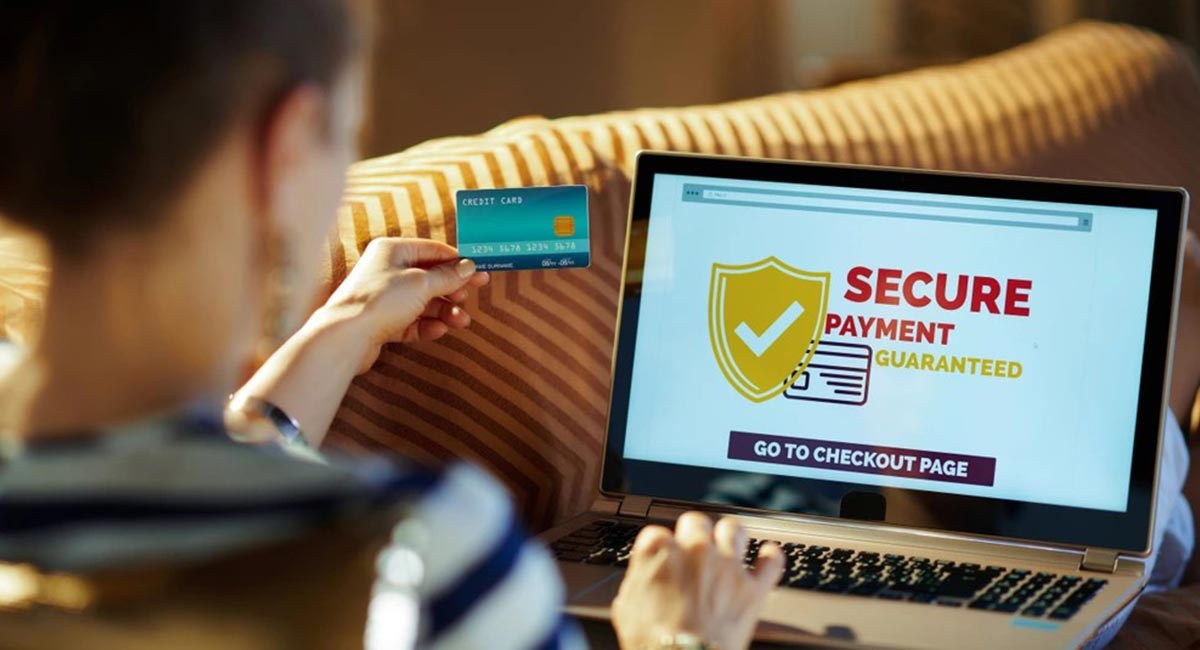
Use Secure Payment Methods
Trusted sellers operate within secure payment systems provided by the marketplace. Avoid sellers who request direct payments outside the platform.
Marketplace payment protection ensures refunds and dispute resolution. Secure payments safeguard your financial information.
Never compromise on payment security.
Avoid Sellers With Poor Dispute Records
Some marketplaces display dispute history or resolution performance. Frequent disputes or unresolved issues are red flags.
Trusted sellers maintain low dispute rates and resolve problems quickly. Transparency in handling issues shows accountability.
Past behavior predicts future reliability.

Why Trusted Sellers Matter in Global Shopping
Global shopping increases exposure to unfamiliar sellers. Identifying trusted sellers becomes even more important when buying internationally.
Reliable sellers ensure product authenticity, timely delivery, and customer support. Platforms like Riayath prioritize verified sellers to create safer shopping experiences.
Trust is the foundation of successful online marketplaces.
FAQs ( Frequently Asked Questions)
You can identify trusted sellers by checking reviews, ratings, seller history, and verified badges. Clear policies and secure payments also indicate reliability. Combining these factors reduces risk.
Verified sellers are generally more reliable, but it’s still important to read reviews and policies. Verification adds credibility but does not replace careful evaluation.
Unrealistic prices, poor communication, unclear policies, and copied product images are common red flags. Avoid sellers who ask for off-platform payments.
New sellers can be safe, but extra caution is recommended. Check product details, communication quality, and platform protection before purchasing.



 No products in the cart.