
E-commerce in Pakistan is no longer a trend — it’s becoming the backbone of modern retail. Increasing internet access, widespread smartphone adoption, and rising consumer trust are transforming how people across the country shop and sell online. As technology evolves and buyer preferences change, the future of online commerce in Pakistan looks promising for both consumers and businesses.
Let’s dive into the key trends and opportunities that will define Pakistan’s e-commerce landscape in the years to come.
Continued Growth in Online Shopping Adoption
Online shopping has expanded from major cities to smaller towns and rural areas. Improved connectivity, better digital literacy, and affordable smartphones mean that more people are discovering the convenience of buying online. As buyers grow more comfortable with digital transactions, e-commerce adoption is set to increase rapidly.
Rise of Local Brands and Artisans
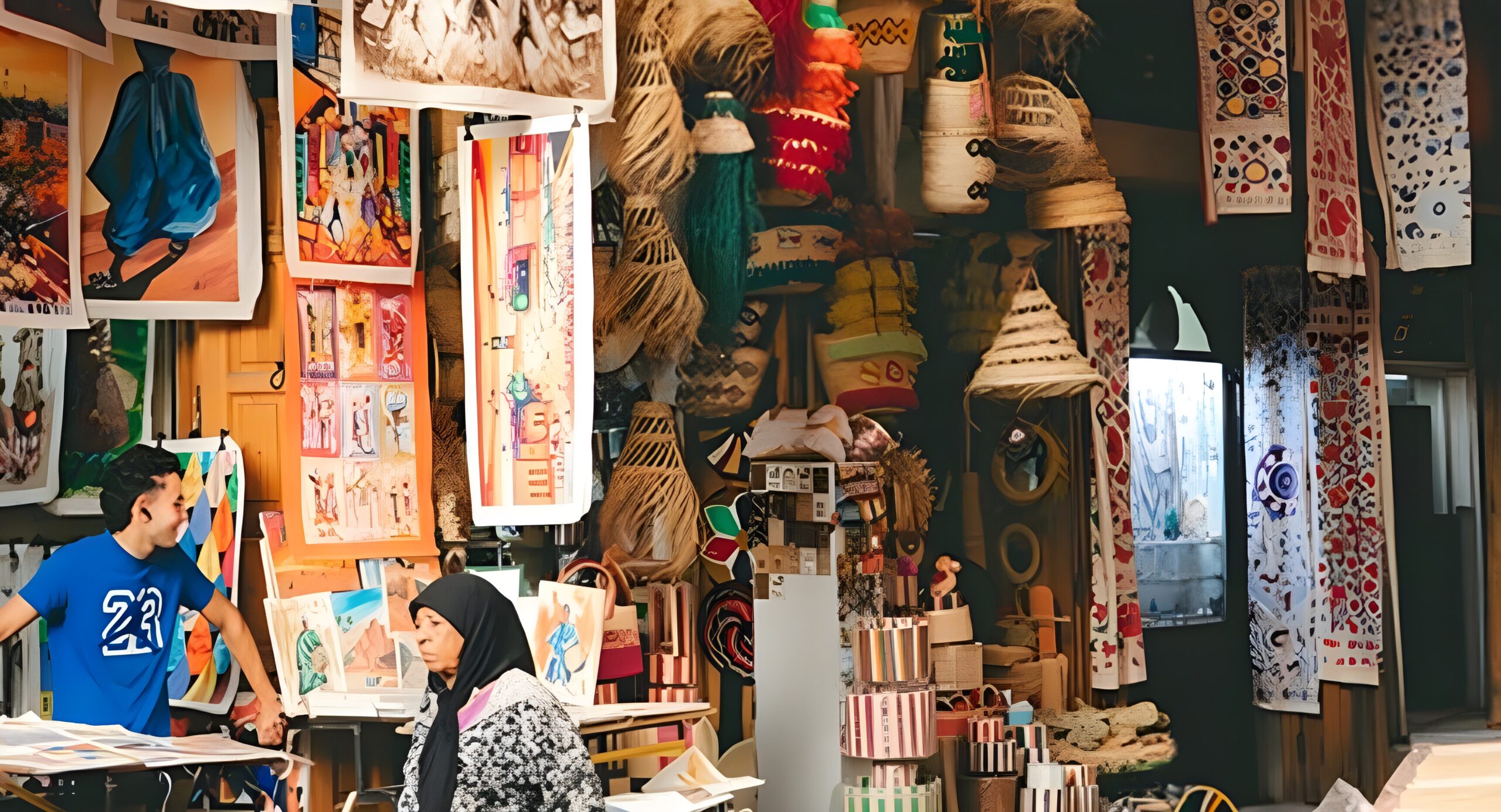
Digital marketplaces are giving small brands and local artisans a platform to reach customers nationwide. Craftsmen from cities like Lahore, Karachi, and Peshawar are now selling traditional goods to new audiences without relying solely on physical markets. This democratization of selling empowers local talent and boosts grassroots entrepreneurship.
Improved Payment Infrastructure
Digital wallets, mobile banking, and secure online payments are making it easier for customers to complete transactions. Cash-on-delivery remains popular, but growing trust in secure payment systems will encourage more buyers to pay online, reducing friction and increasing sales volume.

Mobile-First Shopping Experiences
Pakistan’s e-commerce future is mobile. With millions of users reliant on smartphones for internet access, optimizing shopping platforms for mobile devices is essential. Buyers expect fast load times, easy navigation, and seamless checkout — and businesses that prioritize mobile experiences will lead the next era of growth.
Integration of Emerging Technologies
Technologies like AI-driven recommendations, AR product previews, and chatbots for support will shape how customers interact with online stores. These innovations make shopping more personalized and convenient, helping sellers provide better experiences without escalating costs.

Faster and Smarter Logistics
Efficient delivery networks are critical for e-commerce success. Better coordination between couriers, enhanced tracking systems, and warehouse automation will improve delivery times and reliability. Buyers will expect precision, transparency, and predictability in order fulfillment.
Hidden Costs and Extra Charges
Unexpected shipping fees or taxes at checkout frustrate buyers. Transparency in pricing is essential to avoid disappointment and lost sales.
Showing full costs upfront builds trust and improves the overall shopping experience.
Growth of Niche Marketplaces
While general marketplaces will continue to thrive, niche categories — such as eco-friendly goods, handmade products, and premium brands — will gain traction. Specialized marketplaces allow sellers to target specific audiences who are willing to pay for quality and uniqueness.
FAQs ( Frequently Asked Questions)
The e-commerce landscape in Pakistan is evolving with increased smartphone use, better internet access, and young tech-savvy consumers. Growth in digital payments, local logistics improvements, and rising demand for convenience are shaping the future. Sellers with mobile-first strategies will benefit most.
Digital payments like mobile wallets and bank transfers are becoming more popular, reducing dependence on cash-on-delivery. Easier and secure digital payments increase consumer confidence and help merchants grow faster. This shift is key for scalable e-commerce operations.
Yes, logistics and delivery services are rapidly improving, with more dedicated e-commerce couriers and fulfillment partners emerging. Faster deliveries, better tracking, and expanded reach help small and large sellers serve customers nationwide. This boosts overall customer satisfaction.
New sellers can tap into rising demand for fashion, electronics, beauty, groceries, and niche products. Social commerce, influencers, and local marketplaces make it easier to reach buyers. With focused marketing and quality service, sellers can build loyal customers.



 No products in the cart.