

Online shopping has become part of everyday life. From daily essentials to luxury products, consumers rely on ecommerce platforms for convenience, variety, and competitive pricing. While shopping online offers many advantages, it also comes with risks that can lead to disappointment, financial loss, or unnecessary stress.
Many shoppers make avoidable mistakes that impact their experience. These mistakes are often caused by rushing purchases, overlooking important details, or trusting unreliable sources. Understanding these common errors can help buyers shop smarter, safer, and more confidently.
This guide explores the most frequent mistakes people make when shopping online and explains how to avoid them.
Not Researching the Seller or Platform
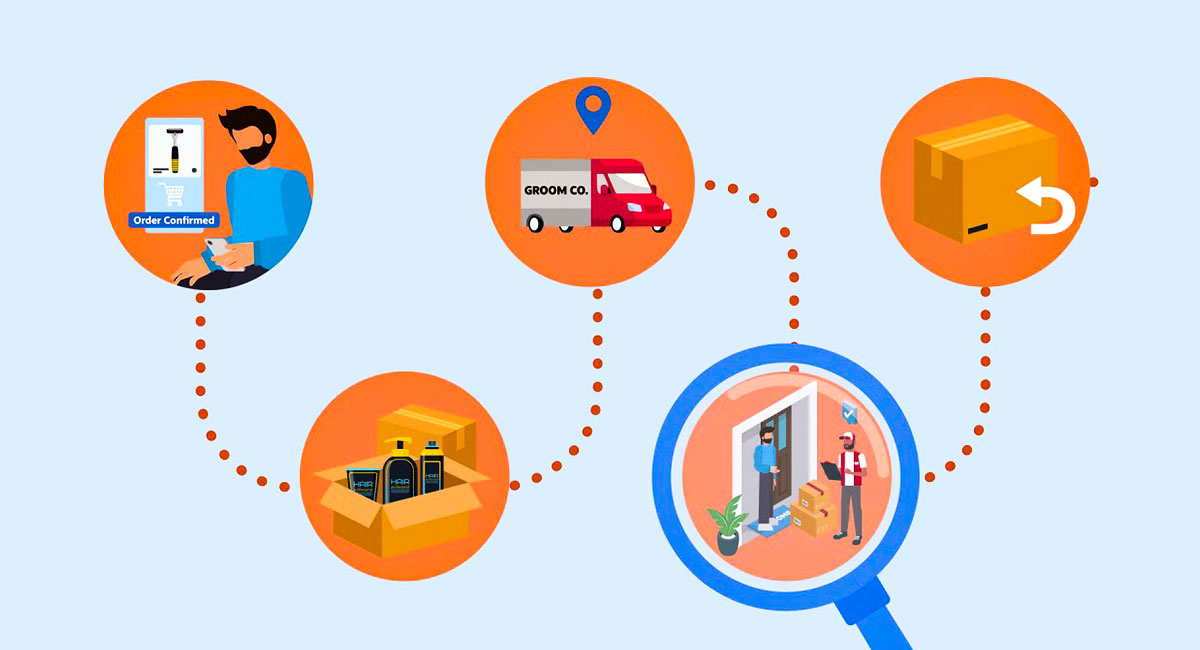
One of the biggest mistakes shoppers make is failing to research the seller or marketplace. Trusting unknown sellers without checking reviews, ratings, or business details can lead to poor-quality products or scams.
Reputable platforms provide transparency through customer feedback and seller profiles. Ignoring this information increases the risk of fraud or misleading product descriptions. Taking a few minutes to research can prevent major problems later.
Ignoring Product Descriptions and Specifications
Many buyers rely only on product images and headlines. This can lead to misunderstandings about size, material, compatibility, or features.
Product descriptions often contain critical information about usage, limitations, and warranty details. Skipping this section may result in receiving an item that does not meet expectations.
Reading descriptions carefully ensures informed purchasing decisions.

Falling for Unrealistic Discounts
Extremely low prices can be tempting, but they often signal counterfeit products or scams. Shoppers sometimes assume they are getting a great deal without questioning its authenticity.
Comparing prices across multiple platforms helps identify realistic pricing. If an offer seems too good to be true, it usually is.
Being cautious with discounts protects both your money and your expectations.
Overlooking Return and Refund Policies
Many shoppers do not check return or refund policies before buying. This becomes a problem when a product arrives damaged, incorrect, or unsatisfactory.
Clear return policies indicate seller reliability. Understanding time limits, conditions, and refund methods helps avoid frustration if something goes wrong.
Always review return terms before completing a purchase.
Using Unsafe Payment Methods
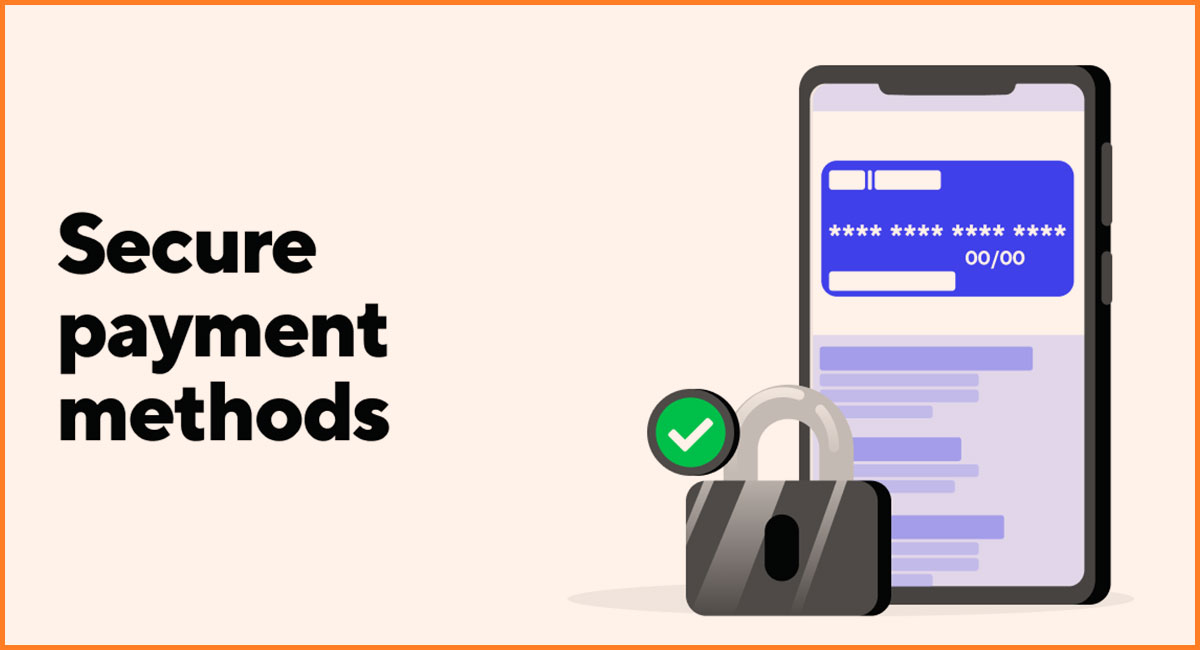
Security is a major concern in online shopping. Using unsecured payment methods or sharing sensitive information on unfamiliar websites increases the risk of fraud.
Trusted platforms offer encrypted payment gateways and buyer protection. Choosing secure payment options ensures your financial information remains safe.
Never make payments through unverified channels.
Not Checking Shipping Costs and Delivery Times
Shipping fees and delivery timelines can significantly impact the total cost and satisfaction of a purchase. Some buyers overlook these details until checkout.
Unexpected shipping charges or long delivery delays can lead to regret. Reviewing shipping options and estimated delivery dates helps manage expectations.

Ignoring Customer Reviews and Feedback
Customer reviews offer valuable insights into product quality and seller reliability. Ignoring them removes an important layer of protection.
Balanced reviews highlight both strengths and weaknesses. Paying attention to recurring issues helps buyers make informed decisions.
Reviews act as real-world guidance from other customers.
Buying Without Comparing Options
Many shoppers purchase the first product they find without comparing alternatives. This can result in overpaying or missing better options.
Comparing prices, features, and sellers helps identify the best value. Online shopping allows easy comparison, making it a missed opportunity when ignored.
Smart comparison leads to better purchases.

Not Verifying Website Security
Secure websites protect personal and payment information. Some buyers fail to check basic security indicators such as HTTPS encryption.
Shopping on unsecured websites exposes sensitive data to risks. Trusted platforms prioritize user security and transparency.
Always verify website security before entering personal details.
Impulse Buying Without Planning
Impulse buying is common in online shopping due to targeted ads and limited-time offers. These purchases often lead to regret.
Planning purchases and setting budgets helps avoid unnecessary spending. Thoughtful decision-making leads to long-term satisfaction.
Online shopping should be intentional, not impulsive.

Ignoring Compatibility and Size Information
Buying electronics, clothing, or accessories without checking compatibility or sizing is a frequent mistake. This leads to returns or unusable products.
Size charts and compatibility guides are provided for a reason. Reviewing them carefully ensures the product fits your needs.
Accuracy saves time and effort.
How to Shop Smarter Online
Avoiding common mistakes improves your overall shopping experience. Researching sellers, reading product details, using secure payments, and planning purchases all contribute to better outcomes.
Platforms like Riayath focus on transparency, buyer protection, and global access, helping customers shop with confidence.
Smart shopping is about awareness and informed choices.
FAQs ( Frequently Asked Questions)
Failing to research the seller is one of the most frequent mistakes. This can lead to scams or poor product quality. Reviews and ratings help reduce this risk.
Shop on trusted platforms with secure payments and clear policies. Avoid deals that seem unrealistic. Always verify seller information.
Return policies protect buyers if something goes wrong. Understanding conditions and timelines prevents frustration. Clear policies reflect seller reliability.
Yes, comparison helps identify better value and avoid overpaying. Online tools make comparison easy. Informed choices lead to better satisfaction.



 No products in the cart.