

Choosing the right online marketplace is one of the most important decisions for any business entering ecommerce. The platform you select influences visibility, customer trust, operational efficiency, and overall profitability. A well-chosen marketplace supports growth, while the wrong choice can slow progress and limit potential.
Understanding what makes a marketplace suitable allows businesses to make confident, strategic decisions.
Define Your Business Objectives
Every business has different goals. Some aim to increase sales volume quickly, while others focus on brand positioning or reaching international markets. Clarifying your objectives helps determine which marketplace aligns best with your strategy.
A platform should support your business goals, not force you to adjust them.

Understand Your Target Customers
Marketplaces attract different types of buyers. Understanding where your customers shop, how they make purchasing decisions, and what they expect from sellers is critical.
Choosing a marketplace that matches your audience increases conversion rates and improves long-term customer relationships.
Evaluate Trust and Platform Reputation
Trust is essential in online selling. Buyers prefer marketplaces that offer transparency, secure payments, and verified sellers.
A marketplace with a strong reputation enhances buyer confidence and strengthens your brand image. Trustworthy platforms also protect sellers from fraud and disputes.
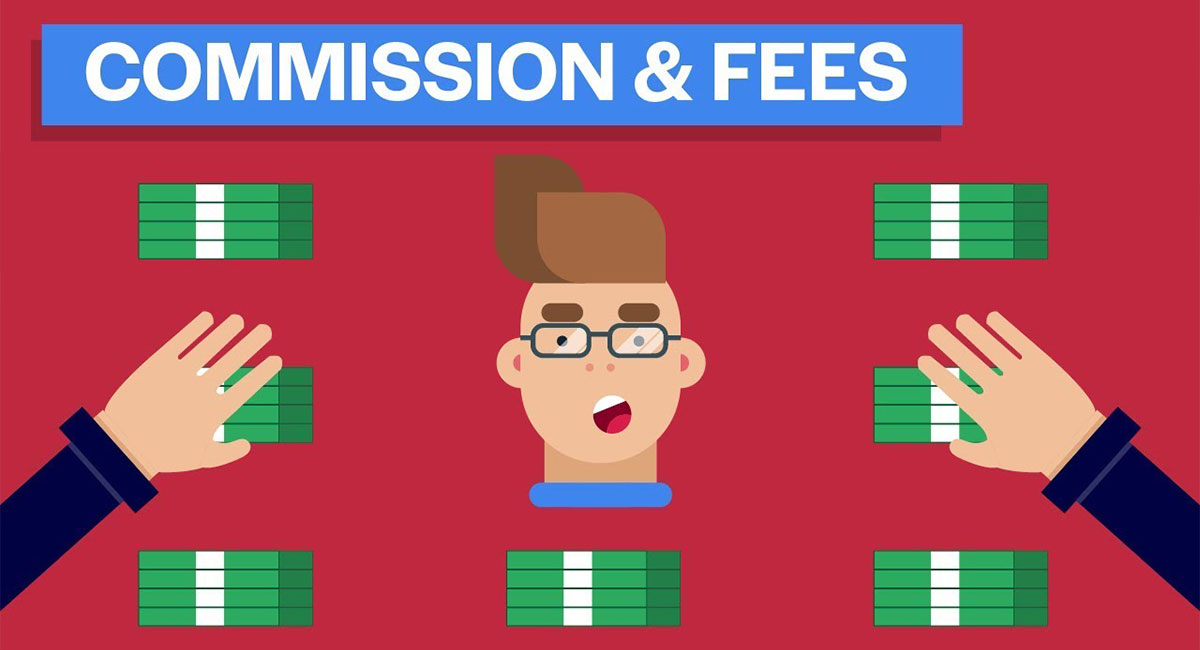
Review Fees and Commission Models
Marketplace fees directly impact profitability. Businesses should carefully examine commission rates, listing fees, transaction charges, and payout schedules.
Transparent pricing structures make it easier to plan finances and avoid unexpected costs.
Analyze Seller Tools and Features
Effective seller tools simplify product management, order processing, and customer communication. Platforms that provide dashboards, analytics, and marketing support help businesses scale more efficiently.
Strong tools allow sellers to focus on growth rather than technical limitations.
Check Payment Security and Payout Reliability
Secure payment systems protect both buyers and sellers. Marketplaces should offer trusted payment methods and reliable payout processes.
Consistent and timely payments help maintain healthy cash flow and operational stability.
Consider Shipping and Logistics Support
Shipping performance affects customer satisfaction. Some marketplaces offer logistics solutions, while others require sellers to manage shipping independently.
Understanding delivery options, tracking systems, and shipping costs helps businesses maintain reliable service standards.

Assess Customer Support and Dispute Handling
Strong customer support is important for resolving issues quickly. Marketplaces with clear dispute resolution processes protect sellers from unfair claims.
Responsive support builds confidence and ensures smoother operations.
Evaluate Growth and Scalability Potential
A good marketplace should support business growth over time. Scalability includes the ability to add products, expand into new markets, and access advanced selling tools.
Choosing a platform that grows with your business prevents the need for frequent transitions.
Final Thoughts
Choosing the right marketplace requires careful evaluation, not quick decisions. By understanding your goals, audience, costs, and platform capabilities, you can select a marketplace that supports sustainable business growth.
The right platform turns online selling into a long-term opportunity rather than a short-term experiment.
FAQs ( Frequently Asked Questions)
Choosing the right marketplace is important because it directly affects a business’s visibility, trust, profitability, and customer reach. A suitable platform helps businesses reach the right audience, build credibility, and grow sales more efficiently.
Before joining a marketplace, businesses should review the platform’s reputation, fee structure, target audience, available seller tools, and security measures. These factors determine long-term success and ease of operations.
No, different marketplaces have different fee structures. Some charge listing fees, commission per sale, or subscription costs. Businesses should carefully review fees to understand their impact on profitability.
Yes, businesses can sell on more than one marketplace to increase exposure and sales. However, managing multiple platforms requires proper planning, inventory control, and consistent customer service.


 No products in the cart.