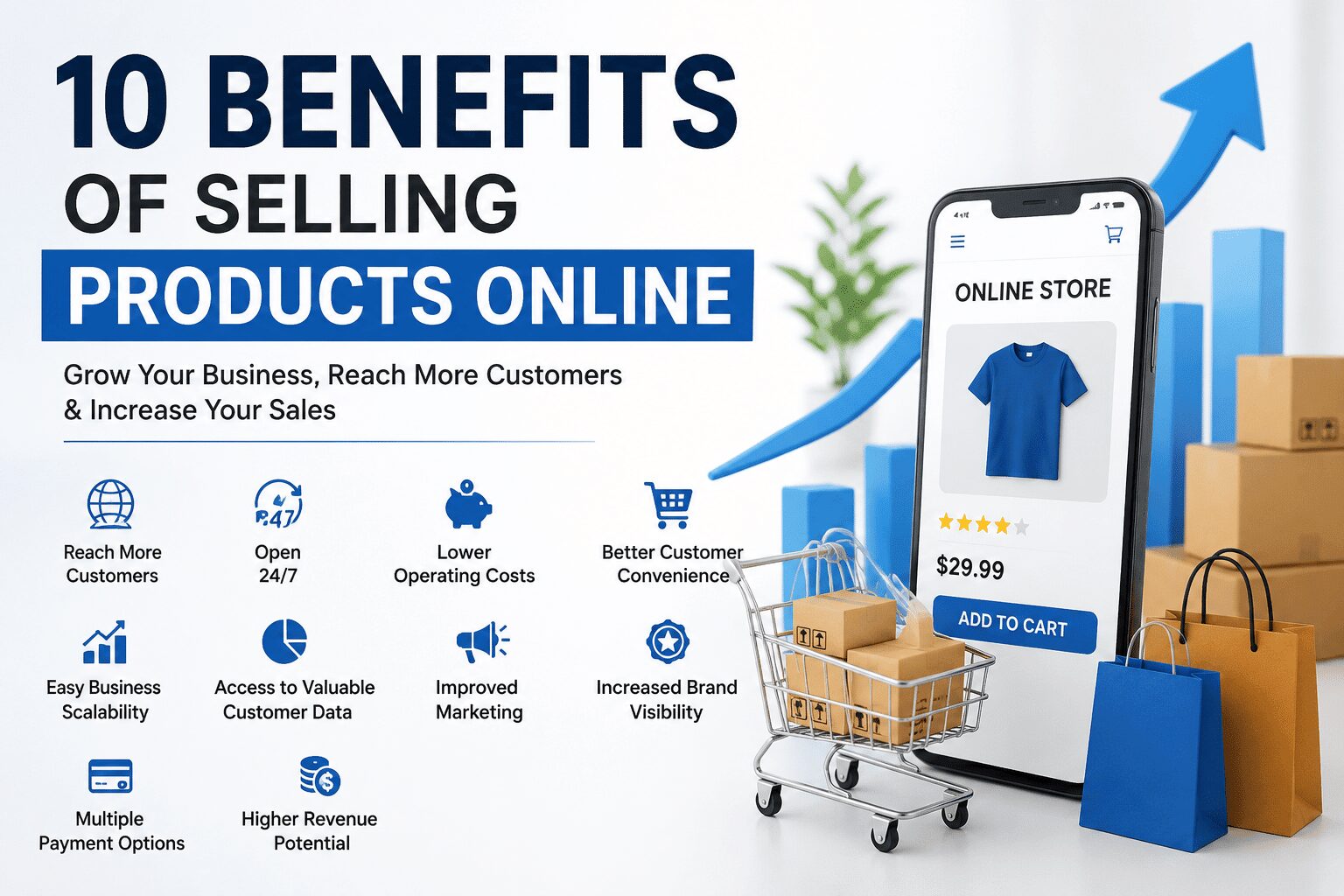
Over the past decade, the way people shop in Pakistan has changed dramatically. Traditional markets, physical stores, and local shops are no longer the only options available to consumers. Online marketplaces have transformed shopping by offering convenience, variety, and access to products from across the country and beyond. With increasing internet access and smartphone usage, more people are turning to digital platforms to fulfill their everyday needs.
Online marketplaces are not just changing where people buy products — they are reshaping how buying decisions are made. From comparing prices to reading customer reviews, shoppers now have more control and information than ever before.
The Rise of Online Marketplaces in Pakistan
Pakistan has seen rapid digital growth in recent years. Affordable smartphones, improved internet infrastructure, and growing trust in online payments have fueled the expansion of online marketplaces. These platforms bring together multiple sellers and buyers under one digital roof, making shopping easier and more efficient.
Unlike single-brand online stores, marketplaces offer a wide range of products, allowing customers to compare options without visiting multiple websites or physical shops. This has made online shopping more attractive to both urban and rural consumers.

Convenience That Fits Modern Lifestyles
One of the biggest reasons online marketplaces are gaining popularity in Pakistan is convenience. Customers can shop anytime, anywhere, without worrying about store hours or traffic. This is especially helpful for working professionals, students, and families with busy schedules.
With just a few clicks, customers can browse products, place orders, and have items delivered to their doorstep. This level of ease was previously unimaginable for many shoppers.
Greater Product Variety and Access
Online marketplaces provide access to a wider variety of products than traditional stores. Customers can find local brands, international products, and unique items that may not be available in their local markets.
For people living in smaller cities or remote areas, online marketplaces offer access to products that were once limited to major urban centers. This has helped bridge the gap between different regions and improved shopping equality across the country.
Price Transparency and Better Deals
Price comparison is another major advantage of online marketplaces. Shoppers can easily compare prices from different sellers, helping them find the best value for their money.
Regular promotions, discounts, and seasonal sales further attract customers. This transparency encourages healthy competition among sellers and often results in better pricing for buyers.
Building Trust Through Reviews and Ratings
Trust has always been a concern for online shoppers in Pakistan. Online marketplaces address this issue by allowing customers to leave reviews and ratings based on their experiences.
These reviews help new buyers make informed decisions and encourage sellers to maintain quality and service standards. Over time, this system has increased confidence in online shopping.

Secure Payment Options and Buyer Protection
Modern online marketplaces offer multiple payment options, including cash on delivery, debit/credit cards, and digital wallets. Cash on delivery, in particular, has played a major role in encouraging first-time online shoppers in Pakistan.
Buyer protection policies, easy returns, and refunds further enhance trust and reduce the risk associated with online purchases.
Impact on Small Businesses and Sellers
Online marketplaces are not only benefiting buyers but also empowering small businesses and independent sellers. Sellers can reach a nationwide audience without investing heavily in physical stores.
This has opened new income opportunities and helped local brands grow faster. Many small businesses now rely on online marketplaces as their primary sales channel.
Changing Consumer Behavior
Pakistani consumers are becoming more informed and selective. They research products, read reviews, and compare features before making purchases. This shift has encouraged better quality standards and improved customer service across the market.
Online marketplaces have also influenced buying habits, making customers more comfortable with digital transactions and international shopping.
Challenges and the Road Ahead
Despite their growth, online marketplaces in Pakistan still face challenges such as logistics, delivery delays, and digital literacy gaps. However, continuous improvements in infrastructure and customer education are helping overcome these obstacles.
As technology advances, online marketplaces are expected to become even more integrated into everyday life, offering smarter recommendations, faster deliveries, and improved user experiences.
Conclusion
Online marketplaces are reshaping shopping in Pakistan by making it more convenient, transparent, and accessible. They have changed how people buy products, how businesses operate, and how trust is built in digital commerce.
As more consumers embrace online shopping, marketplaces will continue to play a vital role in Pakistan’s economic and digital transformation.
FAQs ( Frequently Asked Questions)
Yes, most reputable online marketplaces in Pakistan are safe to use as they implement secure payment systems and buyer protection policies. These platforms allow customers to review sellers and products before purchasing.
Many also offer refund and return options to protect buyers. Choosing well-known marketplaces further increases safety and trust.
Online marketplaces are popular in Pakistan because they offer convenience and allow users to shop from anywhere at any time. Customers can easily compare prices, access a wide variety of products, and find better deals.
Flexible payment options make shopping easier for different users. Fast delivery services also add to their popularity.
Yes, online marketplaces provide an affordable and accessible platform for small businesses in Pakistan to sell their products. They help businesses reach a larger audience without the cost of setting up physical stores. Sellers benefit from built-in marketing tools and logistics support.
This makes growth easier for startups and small enterprises.